Member News
There were 1,845 corporate insolvencies in June – four fewer than in May 2026 (1,849) and 10% fewer than in June 2025 (2,048).
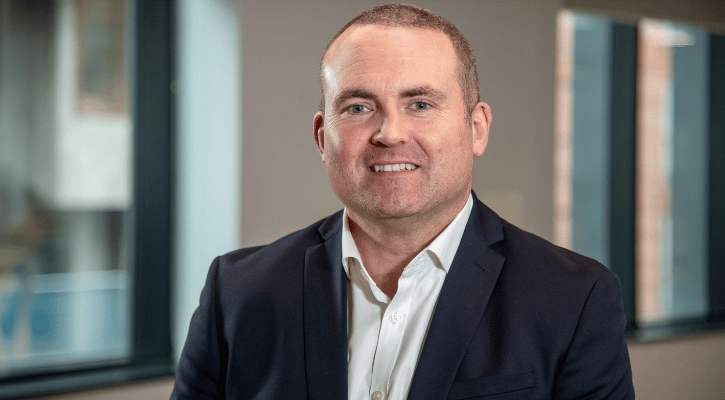
Richard Oddy is a restructuring & insolvency partner at UK top 10 accountancy and business advisory Azets, with offices in Durham, Newcastle and Teesside, looks at the factors causing problems.
“June’s corporate insolvency figures were dominated by Creditors’ Voluntary Liquidations (CVLs).
“While 50 fewer took place compared to last month and these are usually the most common insolvency process, CVL numbers remain higher than they were before the pandemic as directors lack the confidence and cash to keep their firms open in a trading climate that is dominated by rising costs, shrinking margins and political and economic uncertainty.
“Compulsory liquidation numbers remain higher than they were at the start of this year as both public and private sector creditors continue to focus on chasing down debts and turning to the court to secure the money they’re owed, with the patience and forbearance shown in the pandemic years now a thing of the past.
“Everyone is short of money, everyone is watching their payment deadlines and chasing unpaid invoices – and it’s likely this will continue in the second half of this year.
“Ongoing political, geopolitical and economic instability is hitting growth, recruitment and rescue, and making it hard for firms to stay solvent.
“The political and economic uncertainty in the UK, coupled with the ongoing effects of the conflict in the Middle East on costs and finance, and the ongoing challenging trading climate are making it hard for businesses to make money and stay in the black.
“Times are tough for Britain’s businesses.
“It costs more to hire staff, profits are falling and cashflow levels are under pressure – and firms have been fighting financial fires in one form or another since 2020.
“Increases in rents, rates, materials, products, wages, and energy have all affected firms over the last six years – and with no let-up in sight it looks like they’ll be operating in a world where margins continue to shrink.
“Energy costs remain a key concern for many – especially in sectors where these can’t be passed on to the customer.
“While the summer months may see bills rise as businesses attempt to keep staff and customers cool, the real impact will be felt in the winter – a time when many are most concerned about outgoings, margins and profits and when additional expenses hit the hardest.
“From a sectoral perspective, costs are still hitting retailers and hospitality firms hard, and hiring is falling as a result.
“While sales appear to be rising, increases in volume don’t always translate to an increase in value and many businesses in this sector are having to work harder to stay still in the current climate.
“Where they can, they avoid passing their costs on to customers, but many simply aren’t able to do this anymore.
“Construction is also suffering from delayed project starts, issues with planning permission and the ongoing triple blow of late payment, tight margins and soaring costs.
“The better weather in the summer months will hopefully increase output, but whether that is enough of a shot-in-the-arm for the sector remains to be seen.
“Our advice for anyone who is worried about their finances is to pick up the phone and speak to an advisor.
“It’s a hard call to make and an incredibly tough conversation to start but doing so while your worries are new gives you more options and more time to decide your next step than if you’d waited until the problem became more severe – and usually gives you a better chance of turning your situation around.”